
Daily Habits That Support a Calmer, More Regulated Nervous System
- Sarah Drysdale

- Mar 17
- 3 min read
Updated: Mar 29
Calm is often treated as something to achieve. A future state that arrives once everything is under control. Work is finished, responsibilities are met, and the mind is finally quiet.
But the nervous system does not wait for life to slow down. It responds to what you do each day, in small and often unnoticed ways.
For many women, feeling constantly “on edge” has become normal. A low hum of tension, a difficulty switching off, a sense that rest must be earned. These are not simply personality traits. They are signs of a nervous system that has adapted to ongoing demand.
The good news is that regulation does not require dramatic change. It is built through small, consistent habits that signal safety to the body over time.
What It Means to Have a Regulated Nervous System
A regulated nervous system is not one that is always calm. It is one that can respond appropriately to stress and return to a baseline state with relative ease.
When your system is supported, you may notice:
A greater sense of ease in your body
Improved focus and mental clarity
More stable energy throughout the day
The ability to rest without guilt or restlessness
Regulation is not about eliminating stress. It is about increasing your capacity to move through it.
Why Small Habits Matter
The nervous system responds to patterns, not isolated actions. Occasional self care is helpful, but it is daily consistency that creates lasting change.
Small habits, repeated regularly, begin to reshape how your body interprets the world. From constant alertness to a greater sense of safety.
Importantly, these habits do not need to be time consuming. They need to be sustainable.
Start Your Day Without Immediate Stimulation
Reaching for your phone the moment you wake up can place your nervous system into a reactive state before the day has even begun.
Instead, consider creating a slower start:
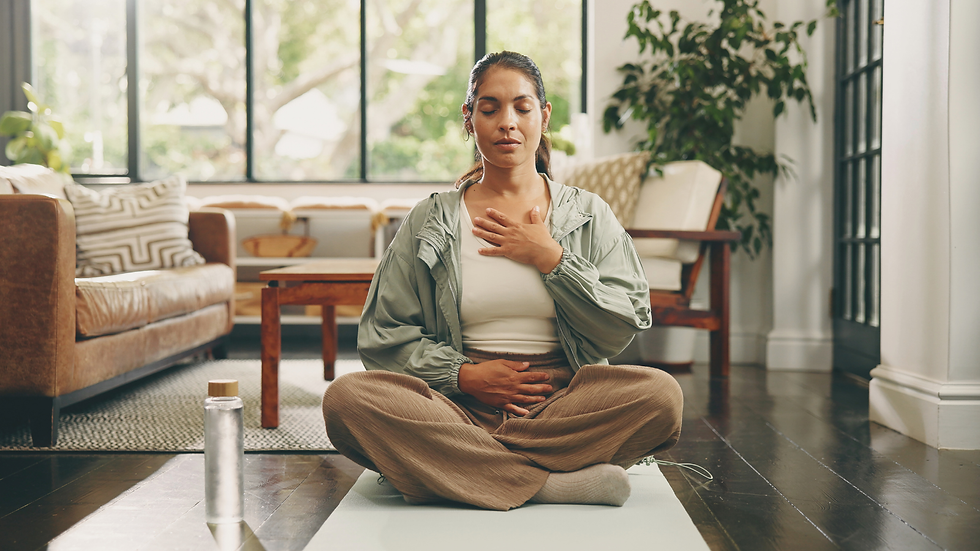
Sit quietly for a few minutes
Step outside for natural light
Take a few steady, intentional breaths
This sets a more grounded tone for the hours ahead.
Eat in a Way That Supports Stability
Your nervous system is closely linked to your physical state. Skipping meals or relying on quick, processed foods can contribute to internal stress.
Aim to:
Eat regular, balanced meals
Include protein, healthy fats, and fibre
Avoid long gaps without nourishment
Stable blood sugar helps create a more stable emotional baseline.
Incorporate Gentle, Consistent Movement
Movement can help regulate the nervous system by releasing built up tension and supporting circulation.
This does not need to be intense. In fact, gentler forms are often more effective for regulation.
Consider:
Walking outdoors
Stretching or yoga
Low intensity strength work
The goal is not exertion, but support.
Create Moments of Pause Throughout the Day
Many women move from one task to the next without interruption. Over time, this sustained pace can keep the nervous system in a heightened state.
Introducing brief pauses can make a meaningful difference.
This might look like:
Stepping away from your desk for a few minutes
Taking a few slow breaths between tasks
Sitting without stimulation, even briefly
These moments signal to the body that it is safe to slow down.
Be Intentional With Stimulation
Constant input, whether from screens, notifications, or background noise, can keep your system activated.
Reducing unnecessary stimulation, even slightly, can support regulation.
You might:
Limit screen time in the evening
Turn off non essential notifications
Create quiet spaces within your day
Calm often requires less input, not more.
Support Rest and Sleep
Sleep is one of the most important regulators of the nervous system. Yet it is often the first thing to be compromised.
Creating a consistent wind down routine can improve both sleep quality and overall regulation.
Consider:
Going to bed at a similar time each night
Reducing light and screen exposure before sleep
Engaging in calming activities such as reading or gentle stretching
Rest is not a reward. It is a requirement.
A More Compassionate Approach to Regulation
It is easy to approach habits with the mindset of optimisation. Doing more, doing better, doing it perfectly.
But nervous system regulation responds best to consistency and care, not pressure.
Missing a day or adjusting your routine does not undo progress. What matters is returning, again and again, to supportive practices.
A Final Thought
A calmer, more regulated nervous system is not built through one significant change. It is shaped through small decisions made daily.
Over time, these choices create a sense of steadiness that extends beyond any single moment. Discover how to build a routine that supports your body. Start creating a calmer, more grounded routine.


Comments